


- University of the Pacific's Conservatory of Music hosted the "Cadence of Life: Music Therapy in Hospice and Palliative Care" symposium on Thursday, May 22, 2026.
- Students learned heartbeat recording techniques used to create musical legacy projects for end-of-life patients, guided by Professor Eric Waldon and board-certified music therapist Brian Schreck.
- The event reflects Pacific's growing leadership in applied music therapy education, bridging clinical practice with compassionate, community-centered care.
Date: Thursday, May 22, 2026
Program: Conservatory of Music, University of the Pacific (Stockton, CA)
Course: Amplified Cardiopulmonary Recordings in Music Therapy
Key Faculty: Professor Eric Waldon (Program Director) and Brian Schreck (Board-Certified Music Therapist)
There are few sounds more intimate than a heartbeat. It is the first rhythm we ever know — and, for many families facing the loss of a loved one, it can become the last piece of music they hold onto. On Thursday, May 22, 2026, students at the University of the Pacific's Conservatory of Music gathered for a symposium that explored exactly this idea: transforming the amplified sound of a patient's heartbeat into a permanent musical keepsake, a practice that sits at the intersection of clinical skill and profound humanity.
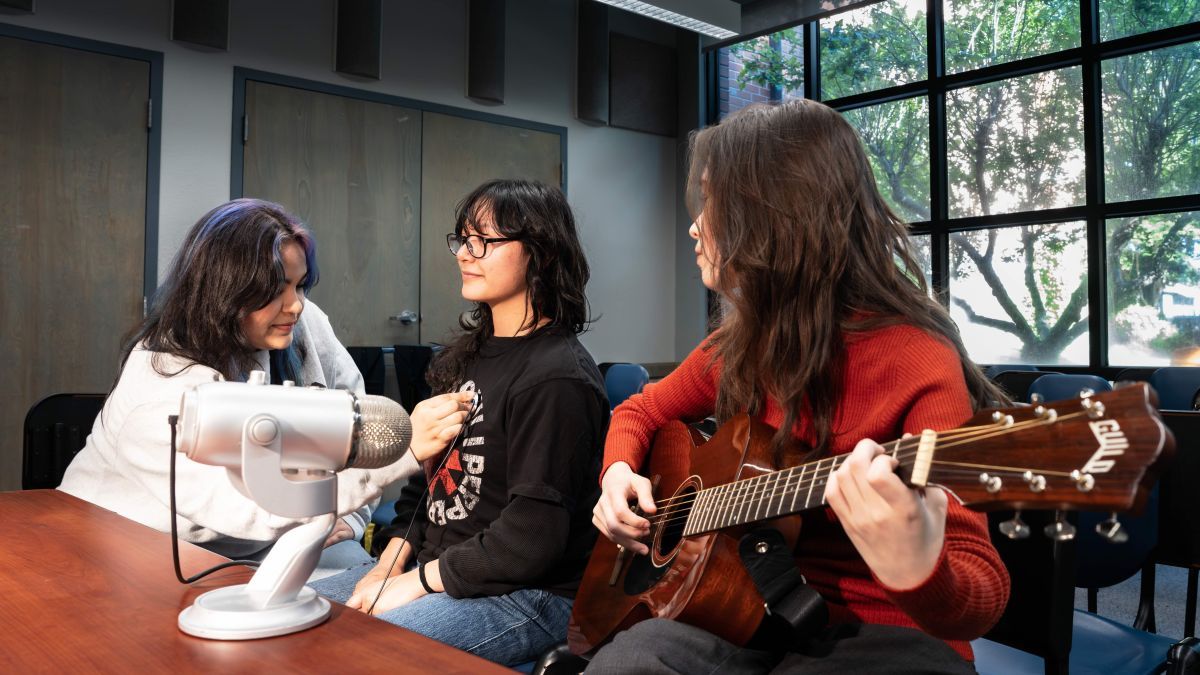
The symposium, titled "Cadence of Life: Music Therapy in Hospice and Palliative Care," was the culminating event of a specialized course — Amplified Cardiopulmonary Recordings in Music Therapy — taught by Professor and Music Therapy Program Director Eric Waldon alongside Brian Schreck, a board-certified music therapist nationally recognized for pioneering heartbeat recording work in hospice settings. It was a rare opportunity for students to engage directly with practitioners reshaping what end-of-life care can look like, and it underscored why Pacific's music therapy program continues to distinguish itself among programs nationwide.
What Is Heartbeat Recording, and Why Does It Matter?
Heartbeat recording is a technique in which a music therapist uses a stethoscope and audio equipment to capture the amplified sound of a patient's heartbeat, then layers that recording into a produced piece of music — often a song that holds personal significance for the patient and their family. The resulting track becomes a tangible artifact of a life lived: a lullaby for grandchildren, a wedding-dance song now carrying a literal pulse, or simply a few minutes of rhythm that a grieving family can return to whenever they need to feel close to someone they have lost.
The practice has gained increasing traction in hospice and palliative care settings across the United States over the past decade, as healthcare providers have embraced integrative approaches that address not just physical symptoms but emotional and spiritual well-being. According to the American Music Therapy Association, music therapy interventions in end-of-life care have been shown to reduce anxiety, manage pain perception, and facilitate meaningful communication between patients and their families. Heartbeat legacy projects represent a specialized application of these principles — one that extends the therapeutic relationship beyond a patient's final days and into the lives of the bereaved.
Brian Schreck has been one of the foremost advocates for this technique nationally. His work, which involves recording the heartbeats of terminally ill patients and weaving them into personalized songs, has been featured in clinical literature and professional conferences. Bringing Schreck to Pacific's Stockton campus to co-lead the course and symposium alongside Professor Waldon gave students access to a practitioner whose hands-on expertise is difficult to replicate in a traditional classroom setting.
How Does Pacific's Music Therapy Program Prepare Students for This Work?
Pacific's music therapy program, housed within the Conservatory of Music on the university's Stockton campus, has long emphasized experiential learning and clinical readiness. The Amplified Cardiopulmonary Recordings in Music Therapy course is a compelling example of that philosophy in action. Rather than simply reading about hospice-based interventions in a textbook, students in the course practiced the heartbeat recording technique themselves, learning how to operate amplification equipment, interact with patients in delicate clinical environments, and produce the final musical legacy projects that families receive.
Professor Eric Waldon, who directs the music therapy program, has built a curriculum that bridges rigorous academic study with the realities of clinical practice. This includes not only technical musicianship and therapeutic methodology but also the interpersonal skills required to work in settings defined by vulnerability and loss. The "Cadence of Life" symposium extended that learning by bringing in established clinicians who shared their own experiences working in hospice care — providing students with perspectives shaped by years of direct patient interaction.
This kind of applied, community-facing education is consistent with Pacific's broader institutional mission. The university has historically positioned itself as a place where professional preparation meets public service, whether that is in its nationally recognized pharmacy and dental schools or in programs like music therapy that prepare graduates to serve populations often overlooked by mainstream healthcare systems. For music therapy students, the hospice setting is among the most emotionally demanding — and most rewarding — environments they will enter, and coursework like this ensures they arrive prepared.
Why Does This Reflect a Growing Need in Healthcare?
The national landscape for hospice and palliative care is expanding rapidly. According to the National Hospice and Palliative Care Organization, more than 1.7 million Medicare beneficiaries received hospice services in 2022, a figure that has grown steadily as the American population ages and as more families choose comfort-focused care for loved ones with terminal diagnoses. Within that context, the demand for trained music therapists — professionals who hold board certification and can work within interdisciplinary clinical teams — is increasing as well.
Pacific's decision to offer coursework specifically in heartbeat recording and hospice-based music therapy positions its graduates to meet that demand in a meaningful way. The university's location in Stockton, part of California's Central Valley and within reach of both the San Francisco Bay Area and Sacramento, places students near a large and diverse patient population, as well as near major healthcare systems where clinical placements and post-graduation employment opportunities are accessible.
It is also worth noting that music therapy, while growing, remains a relatively small and specialized field. Programs that offer the depth of clinical training found at Pacific — including direct instruction from nationally recognized practitioners like Schreck — are not common. For prospective students evaluating where to study music therapy, the presence of courses like Amplified Cardiopulmonary Recordings in Music Therapy represents a meaningful differentiator.
What Does This Mean for Pacific's Students, Alumni, and Community?

For current students, the symposium provided both clinical education and a window into a career path that combines musical skill with deeply personal patient care. The ability to list heartbeat recording training on a résumé — and, more importantly, to carry that competence into a clinical internship or job — is a concrete professional advantage in a field where specialized skills matter.
For Pacific alumni, the event is a reminder that the Conservatory of Music continues to evolve and invest in programming that keeps pace with the healthcare landscape. Alumni who completed the music therapy program in earlier years may not have had access to this specific coursework, but the symposium reflects the same spirit of innovation and community engagement that has long defined the program. Those alumni who want to stay connected to Pacific's evolving identity might consider doing so with a Pacific Alumni Spirit T-shirt — a small way to carry that Tiger pride forward.
For the broader Stockton and Central Valley community, the implications are perhaps most significant. Families navigating end-of-life care in the region now have access to a growing cohort of Pacific-trained music therapists who understand the clinical and emotional dimensions of hospice work. While Pacific is widely recognized in the West Coast Conference (WCC) for its athletic achievements on the field, the university's impact through programs like music therapy extends well beyond sports and into the daily lives of the communities it serves.
What Comes Next for Music Therapy at Pacific?
The "Cadence of Life" symposium is unlikely to be a one-time event. Professor Waldon's track record of expanding and refining the music therapy curriculum suggests that Pacific will continue to seek partnerships with practitioners like Schreck and to develop coursework that responds to emerging needs in healthcare. As hospice and palliative care services grow, and as the evidence base for music therapy's efficacy continues to strengthen, the relevance of this kind of training will only increase.
For Pacific, the broader takeaway is clear: a mid-sized university rooted in Stockton can produce graduates who shape practice at the national level. The music therapy program's willingness to engage with topics as sensitive and as important as end-of-life care — and to equip students with the specific technical skills to make a difference in those settings — speaks to an institutional identity that values substance over spectacle. In a field where every note matters, Pacific's students are learning to make each one count.
